Sex Addiction and Pornography Addiction Treatment in New Jersey
Compassionate, trauma-informed treatment for sex addiction, pornography addiction. Helping you break free from compulsive behavior and build sustainable recovery. Serving all of New Jersey.
Understanding Addiction as a Survival Strategy
At Living Well Therapy, we see addiction as a learned way of regulating a nervous system that feels unsafe or disconnected. It’s a shortcut to relief when the weight of trauma or shame becomes too heavy to carry. But because it’s a learned pattern, it can be unlearned.
Sustainable recovery means creating a foundation where you feel grounded enough to handle life’s stressors without the ‘fix.’ We focus on building distress tolerance, fostering secure connections, and creating a daily structure that supports your sobriety. By addressing the underlying triggers rather than just the surface behavior, we make lasting change possible. You don’t just stop the behavior—you build a life you actually want to be present for.
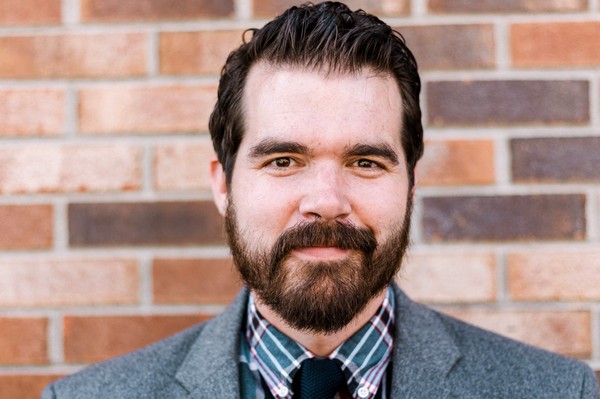
Your Addiction Recovery Therapist: Joshua White, MSW
Joshua White is a New Jersey Licensed Clinical Social Worker (MSW) specializing in sex addiction, pornography addiction, and alcohol use. He brings a trauma-informed and 12-step integrated approach to addiction recovery. Joshua has over 10 years of experience helping people heal from compulsive behavior and build sustainable recovery.
Joshua holds an MSW from Kean University (2014) and a BA from the University of New Hampshire (2004). He is a certified Somatic Experiencing® Practitioner (SEP), which allows him to work with the nervous system and help clients regulate cravings and urges at a physiological level. Joshua has training in Cognitive Behavioral Therapy, Motivational Interviewing, and crisis intervention.
Joshua is an APSATS trainee, he has trained in the Multi-Dimensional Partner Trauma Model (January 2026), which specializes in working with partners of individuals struggling with sex addiction. Joshua is a member of Somatic Experiencing International.
Joshua understands addiction can be a trauma response, not a character flaw. His approach is compassionate, direct, and grounded in the belief that recovery is about building a life you do not need to escape from.
Types of Addictions We Address at Living Well Therapy
Sex Addiction and Compulsive Sexual Behavior
Pornography Addiction
Pornography addiction involves compulsive use of pornography that interferes with work, relationships, or intimacy. You might spend hours each day watching pornography, experience escalating content or frequency, feel unable to stop despite trying, or use pornography to regulate emotions like stress, loneliness, or anxiety. Pornography addiction often leads to isolation, shame, and disconnection from real relationships.
Alcohol Use and Problematic Drinking
Alcohol use often co-occurs with sex and pornography addiction. Many people use alcohol to numb emotions, manage social anxiety, or cope with shame related to sexual behavior. If your drinking patterns are causing problems in your life or you find it difficult to control your alcohol use, addressing it alongside other addictive behaviors is essential for sustainable recovery.
A Note on Terminology
We understand that the word addiction can feel like a heavy label. Whether you call it addiction, compulsive behavior, or out-of-control behavior, what matters is that you recognize the pattern is causing harm and you are ready to change. You do not need an official diagnosis to get help.
How We Approach Addiction Recovery at Living Well Therapy
At Living Well Therapy, our approach to addiction recovery is trauma-informed, structured, and grounded in compassion. We understand that addiction is not just about willpower or self-control. It is about addressing the underlying pain, trauma, and dysregulation that drive the behavior.
We Treat the Behavior AND the Core Issues
Addiction recovery is not just about stopping the behavior. It is about understanding what the behavior is trying to manage. In our work together, we locate the function of the behavior. What does it regulate? Where is the pain? Is there anxiety, loneliness, shame, anger, numbness, or unmet needs driving the behavior?
Early recovery can be fragile. We strengthen your regulation skills, support systems, and daily structure so you are not flooded when we begin deeper trauma work. We also address shame as a central reason for relapse. Many people relapse not only from cravings but from shame, secrecy, and hopelessness. Therapy focuses on self-understanding, accountability, and repair rather than judgment.
12-Step Programs Integration
We integrate 12-step programs into therapy. This includes honesty, humility, accountability, making amends, and building a life that works. You do not need to be in a 12-step program to work with us, but we respect and support the wisdom of these principles. For many people, 12-step programs like Sex Addicts Anonymous (SAA), Sexaholics Anonymous (SA), or Alcoholics Anonymous (AA) provide essential community and accountability. We can help you integrate 12-step work into therapy.
Trauma Recovery
We explicitly work with the underlying trauma that fuels compulsive behavior. This might be childhood trauma, attachment wounds, betrayal, loss, abuse, or developmental trauma. As your nervous system regulation improves, urges often become more tolerable. You gain choice points. You can pause before acting out. This is where real freedom begins.
Mindfulness and Regulation Skills
We teach practical skills like distress tolerance, grounding techniques, and nervous system resourcing. These tools help you sit with discomfort without acting out. You learn that urges are temporary. They rise, peak, and fall. You do not have to act on them.
Relapse Prevention Planning
We help you create relapse prevention plans that include trigger mapping, identifying high-risk situations, building accountability structures, and creating repair plans for when slips happen. Relapse prevention is not about perfection. It is about knowing your patterns and having a plan when you are vulnerable.
Values-Based Living
Recovery is about moving toward the person you want to be, not just away from the addiction. We help you clarify your values and build a meaningful life aligned with those values. When your life has purpose and connection, the pull of addiction weakens.
The Connection Between Addiction and Trauma
At Living Well Therapy, we explicitly treat both the addiction and the causes beneath it. Trauma and addiction are deeply connected. Understanding this connection is essential for sustainable recovery.
Locating the Function of the Behavior
Your first step is understanding what the addictive behavior is trying to manage. Is it regulating anxiety, loneliness, shame, anger, numbness, or unmet attachment needs? For many people, addiction began as a way to cope with something unbearable. It worked for a while. But over time, the behavior itself became the problem.
Building Capacity Before Going Deep
Early recovery can be fragile. If we dive into deep trauma work too soon, it can overwhelm your nervous system and trigger relapse. We strengthen your regulation skills, support systems, and daily structure first. This builds a foundation so that when we do deeper work, you have the capacity to handle it without getting flooded.
Addressing Shame as a Central Relapse Driver
Many people relapse not from craving but from shame, secrecy, and hopelessness. Shame says, “I am bad. I am broken. I will never change.” This kind of shame drives people back to the behavior as a way to escape the shame itself. In therapy, we focus on self-understanding, accountability, and repair. We help you distinguish between guilt (I did something I regret) and shame (I am fundamentally bad). Recovery requires moving from shame to accountability.
Working With the Nervous System
As your nervous system regulation improves, urges become more tolerable and less urgent. You gain choice points. You can pause, notice the urge, and choose a different response. This is the power of working with trauma and the nervous system directly.
Relational Repair
Especially with sex addiction, pornography addiction, and alcohol use, sustainable recovery usually includes rebuilding trust, establishing boundaries, creating transparency, and developing healthier intimacy patterns. We can work with you individually or support you in couples therapy to repair the relational damage caused by addiction.
What to Expect in Addiction Recovery Sessions
Initial Assessment
In the first few sessions, we work to understand your history with addictive behavior, identify your triggers and patterns, assess your current support systems, and clarify what you want to change. This assessment helps us create a treatment plan tailored to your needs.
Building Stabilization
The first phase of recovery focuses on creating safety and stability. This includes establishing accountability structures, developing initial coping tools, strengthening your support network, and reducing the frequency of acting-out behaviors. Stabilization is essential before deeper work can begin.
Deeper Healing Work
Once you have established some stability, we begin addressing underlying trauma, processing shame and self-worth issues, understanding attachment patterns, and working with the parts of yourself that drive the addictive behavior. This phase is where the real transformation happens.
Long-Term Maintenance and Growth
Recovery is not just about stopping a behavior. It is about building a life. Long-term work includes relapse prevention planning, ongoing accountability, building a meaningful and connected life, and continued repair and growth.
Session Details
Sessions are 50 minutes and cost $150 per session. Most clients meet weekly in the beginning and adjust frequency as progress develops. Sessions can be in-person at our Mendham office or virtual via telehealth for clients throughout New Jersey. Confidentiality is strictly maintained.
What Results Can You Expect From Addiction Recovery?
Recovery is possible, and it looks different for everyone. Here is what you can realistically expect when you commit to the work.
Common Improvements
Clients who engage in addiction recovery therapy often experience reduced frequency of compulsive behavior or complete abstinence, better emotional regulation and less need to numb or escape, improved relationships and rebuilt trust, increased honesty and reduced secrecy, better sleep and daily functioning, decreased shame and increased self-compassion, development of healthy coping mechanisms, and a meaningful identity beyond addiction.
Timeline for Recovery
Early stabilization typically takes 1 to 3 months. This phase focuses on reducing the frequency of acting out and building initial coping tools. Deeper work takes 6 to 12 months and involves trauma processing and changing long-standing patterns. Long-term maintenance is ongoing and focuses on relapse prevention and continued growth.
Recovery is not linear. You should expect ups and downs. Progress is not about perfection. It is about the trajectory over time.
Realistic Expectations
Slips may happen. It is important to distinguish between a slip (a single instance of acting out) and a full relapse (returning to old patterns). Recovery is about how you respond to a slip, not about never making a mistake. Long-term success requires ongoing work, whether that is therapy, 12-step meetings, accountability partners, or other support. Many people achieve sustained recovery with the right support and commitment.
Why Choose Living Well Therapy for Addiction Recovery?
Trauma-Informed AND 12-Step Integrated
Living Well Therapy offers a rare combination of trauma-informed therapy and 12-step integration. We address both the behavior and the underlying issues that led to it. We respect 12-step principles while also doing the deeper trauma work that many people need for sustainable recovery.
Specialized Training in Sex Addiction
Joshua is an APSATS Trainee, having completed the Multi-Dimensional Partner Trauma Model (MPTM) training in January 2026. This specialized framework allows him to provide expert support for partners navigating betrayal trauma while helping those struggling with addiction develop the empathy and integrity necessary for lasting healing. This level of specialized training ensures that you are working with someone who understands the complexity of sex and pornography addiction, not a generalist.
Shame-Focused Approach
We directly acknowledge shame as a central cause of relapse. We create a safe, non-judgmental space where honesty is possible. Many therapists avoid talking about shame. We bring it into the light because that is where it loses its power.
Nervous System Support
Joshua is a Somatic Experiencing® Practitioner (SEP). This training allows him to work with the physiology of cravings and urges. You learn how to regulate your nervous system without acting out. This body-based approach complements traditional talk therapy and makes recovery more sustainable.
Understanding Addiction as a Trauma Response
We do not view addiction as a moral failure. We understand it as a survival strategy that developed in response to pain, trauma, or disconnection. This perspective allows us to treat the root causes, not just the symptoms. We help you build a life where addiction is no longer needed.
Over 10 Years of Clinical Experience
Joshua is a Licensed Clinical Social Worker with over 10 years of experience. He understands the complexity of addiction recovery and has helped others achieve sustained sobriety. His approach is direct, warm, and personal. He meets you where you are without judgment.
Frequently Asked Questions About Addiction Recovery
Signs of sex or pornography addiction include feeling like your behavior is out of control, spending excessive time on sexual behavior or pornography, making unsuccessful attempts to stop or cut back, using the behavior to manage difficult emotions, engaging in escalating frequency or risky behaviors, and feeling intense shame and secrecy around the behavior. You do not need an official diagnosis to get help. If the behavior is causing problems in your life and you feel unable to stop, that is enough reason to seek treatment.
Yes, addiction recovery therapy is confidential. What you share in therapy stays in therapy. The only exception is if there is a risk of harm to yourself or others. We understand that many people are concerned about privacy when seeking help for sex addiction, pornography addiction, or alcohol use. We maintain complete discretion in all communications and scheduling.
This depends on the type and severity of your addiction. For some behaviors like affairs or illegal activities, abstinence is required. For other behaviors, we assess your goals together in the initial sessions. Many people find that complete abstinence is easier than trying to moderate because moderation requires constant decision-making and negotiation. We discuss what makes sense for your situation and adjust as needed based on your progress.
This is very common and not a sign of personal failure. Most people need multiple attempts before achieving sustained recovery. Each previous attempt teaches you something about what does not work. This time, you will have professional support and the opportunity to address the underlying trauma and causes that were not addressed before. Understanding what fuels the addiction changes everything.
Your partner's healing is just as important as your own. While you may choose to have them join a session occasionally to share information or concerns, we typically recommend that each person has their own dedicated therapist—. Because partners are often deeply affected by betrayal trauma, they deserve a space focused entirely on their needs. I am happy to provide referrals to trusted colleagues who specialize in partner-sensitive care, ensuring you both have the support necessary for long-term relational healing.
Addiction recovery sessions are 50 minutes and cost $150 per session. Most clients meet weekly initially and adjust frequency as they make progress. We do not bill insurance directly, but we provide superbills (detailed receipts) that you can submit to your insurance company for potential out-of-network reimbursement. We offer a limited number of sliding scale spots. We also offer a free 15-minute confidential consultation to answer questions and discuss your situation.
Begin Your Confidential Recovery Journey Today
All consultations and therapy sessions are completely confidential. We understand the sensitivity of these issues and maintain discretion in all communications, scheduling, and billing.
Office Location and Session Options
Office: 5 Cold Hill Road South, Suite 18, Mendham, NJ 07945
Virtual sessions: Available for all clients throughout New Jersey via secure telehealth. Many clients prefer virtual sessions for privacy and convenience.
Session Details
Length: 50 minutes
Cost: $150 per session
Insurance: Superbills provided for out-of-network reimbursement
Sliding scale: Limited spots available
Free Confidential Consultation
We offer a free 15-minute consultation that is completely confidential. This is an opportunity for you to discuss your situation, ask questions about treatment, and determine if Living Well Therapy is a good fit for your recovery needs.
Contact
Phone: 973-769-4334
Email: info@livingwellnj.com
Response time: 24-48 hours
Serving: • Mendham • Basking Ridge • Bernardsville • Chester • Randolph • Long Valley • Bedminster